Gilgit Baltistan’s Goodwill Movement (GBGM)
Gilgit-Baltistan’s Goodwill Movement (GBGM) is a disability-led nonprofit dedicated to disability inclusion, empowerment, and equal opportunities in Gilgit-Baltistan, Pakistan. Our core work includes vocational and IT skills training, employment and livelihood opportunities, accessibility, assistive technology, rehabilitation support, disability rights advocacy, and disability awareness. We work with persons with disabilities, families, communities, and institutions to promote social inclusion, independence, dignity, and equal participation.
Year of Establishment:
2021

Focus Areas:
Disability Inclusion, Community Development

Geographical Areas of Operations:
Gilgit-Baltistan

Beneficiaries:
Children, Youth, Women, Men

Brief Overview
Gilgit-Baltistan’s Goodwill Movement (GBGM) is a disability-led nonprofit working to improve the inclusion, independence, and participation of persons with disabilities across Gilgit-Baltistan.
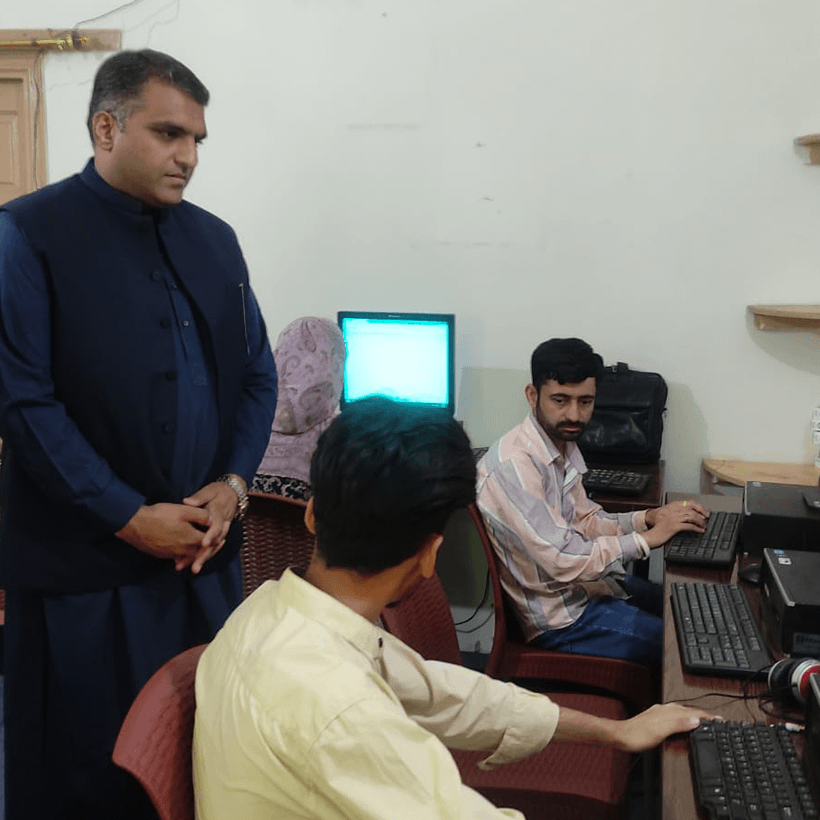
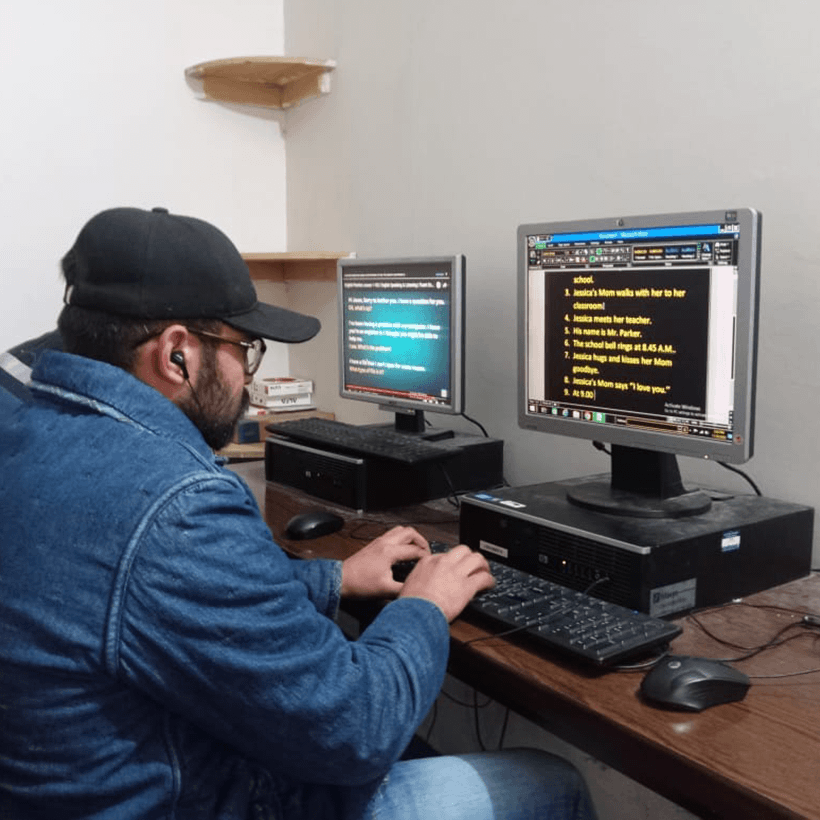
Through its Skill Development Centre in Gilgit, GBGM provides vocational and digital skills training, including IT and tailoring, along with hostel accommodation and basic support. The organization also provides assistive devices, livelihood opportunities, emergency assistance, awareness programs, and disability rights advocacy, while promoting accessible public spaces and services.
GBGM works with communities, families, institutions, and government stakeholders to address barriers and create greater opportunities for education, employment, economic participation, and social inclusion.
Core Programs and Services
- Vocational and Digital Skills Training: GBGM provides free training for persons with disabilities in areas such as IT, tailoring, and other market-relevant skills to support employment and self-employment.
- Skill Development Centre: Based in Gilgit, the centre provides a dedicated space for training, practical learning, and capacity building for persons with disabilities.
- Residential Hostels: GBGM operates separate boys’ and girls’ hostels for trainees from different districts. The hostels provide accommodation, meals, and a safe environment so participants can attend training without facing accommodation barriers.
- Livelihood Support: The organization supports persons with disabilities through livelihood opportunities, small business initiatives, and skills that can contribute to sustainable income.
- Assistive Devices and Accessibility: GBGM facilitates access to assistive devices and works to identify and address physical and environmental accessibility barriers.
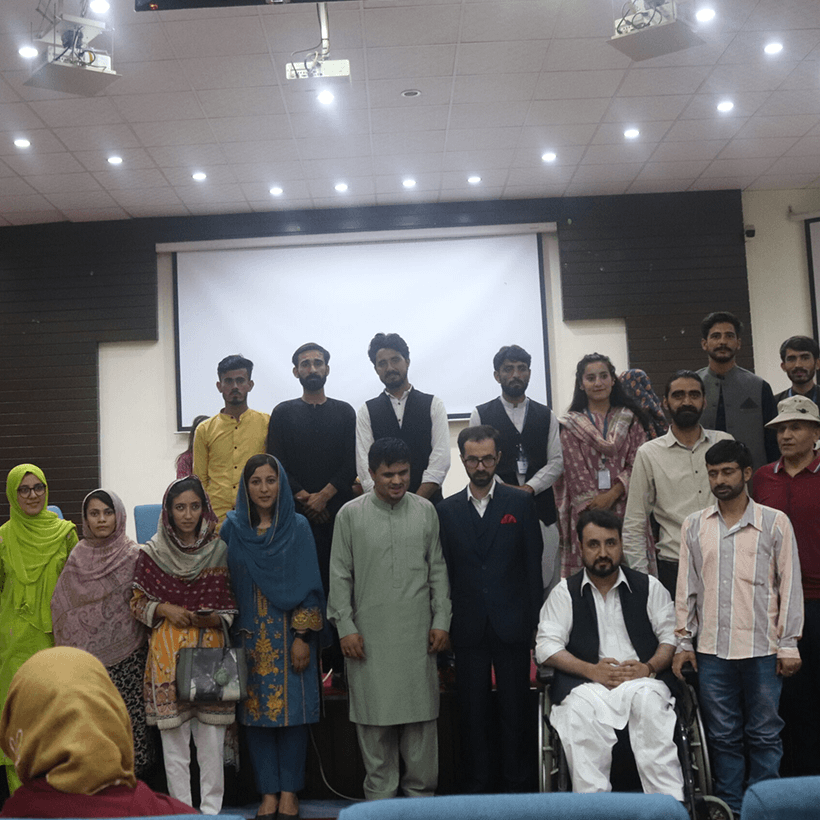
- Disability Awareness and Rights Advocacy: GBGM conducts awareness activities and engages communities and institutions on disability rights, accessibility, participation, and equal opportunities.
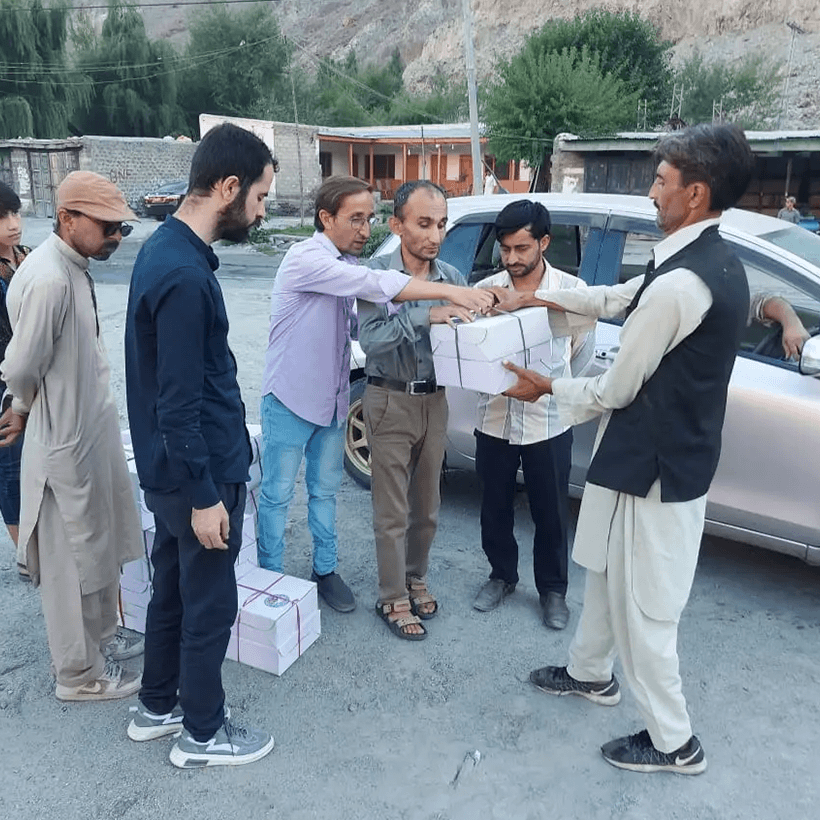
- Humanitarian and Welfare Support: The organization provides targeted food, essential supplies, and other assistance to persons with disabilities and vulnerable households during emergencies and disasters.
What Makes Our Approach Distinct
GBGM’s model is centered on lived experience and practical community-level action. As a disability-led organization, we design programs based on the needs identified by persons with disabilities themselves. We combine skills development, residential support, assistive devices, livelihood assistance, accessibility work, and disability awareness under one model. Our approach also reaches underserved communities across the geographically challenging terrain of Gilgit-Baltistan, helping reduce barriers to training, employment, mobility, and participation for persons with disabilities.
Impact Stories
Shakoor Murad is a person with a physical disability from a remote and underdeveloped area of Gilgit-Baltistan. Because of his disability and limited opportunities in his community, he faced difficulties in finding suitable work and becoming financially independent.
Through GBGM’s skills development programme, Shakoor received professional tailoring training and practical support. The training helped him develop useful tailoring skills and increased his confidence to work independently.
After completing his training, Shakoor became a professional tailor and started using his skills to earn a livelihood. He is now able to work with greater confidence and has improved his ability to support himself and contribute to his family.
Shakoor’s journey shows how practical skills training and the right support can help persons with disabilities overcome barriers, gain confidence, and move towards greater economic independence.