An Overview of LRBT
The Layton Rahmatulla Benevolent Trust (LRBT) is the largest provider of eye care in Pakistan. What began as a humble mobile unit in 1985 is now an impressive network of 19 hospitals and 54 clinics across Pakistan. LRBT began as a means for Sir Graham Layton and Zaka Rahmatulla to give back to the country. The two joined forces to implement a fully equipped mobile unit in Tando Bago, where patients could receive examinations and medication for free, launching the mission to eradicate curable blindness by ensuring that:
What We Do
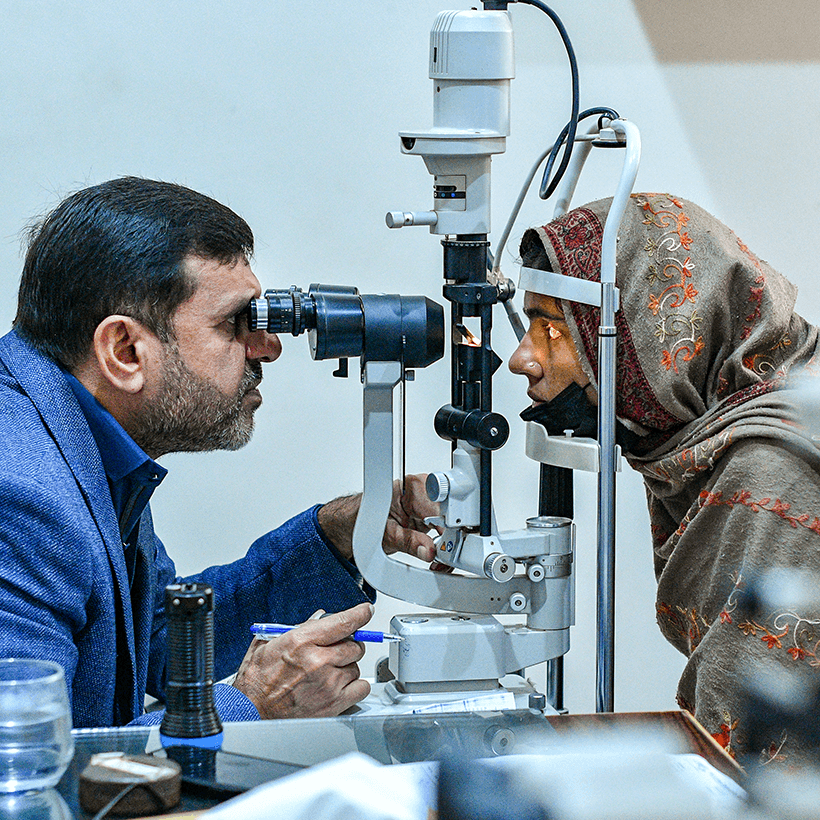
LRBT specializes in ophthalmology and eye care services, treating patients from around the country for a wide variety of eye-related ailments, including cataract, glaucoma, retinal detachment, corneal disease, squinting, and diabetic retinopathy. Each LRBT hospital is fully equipped with state-of-the-art machinery to perform major and minor surgical procedures. Through donations, LRBT’s hospitals can access and implement new technologies not found in other well-known medical facilities.
A Beacon of Hope for all
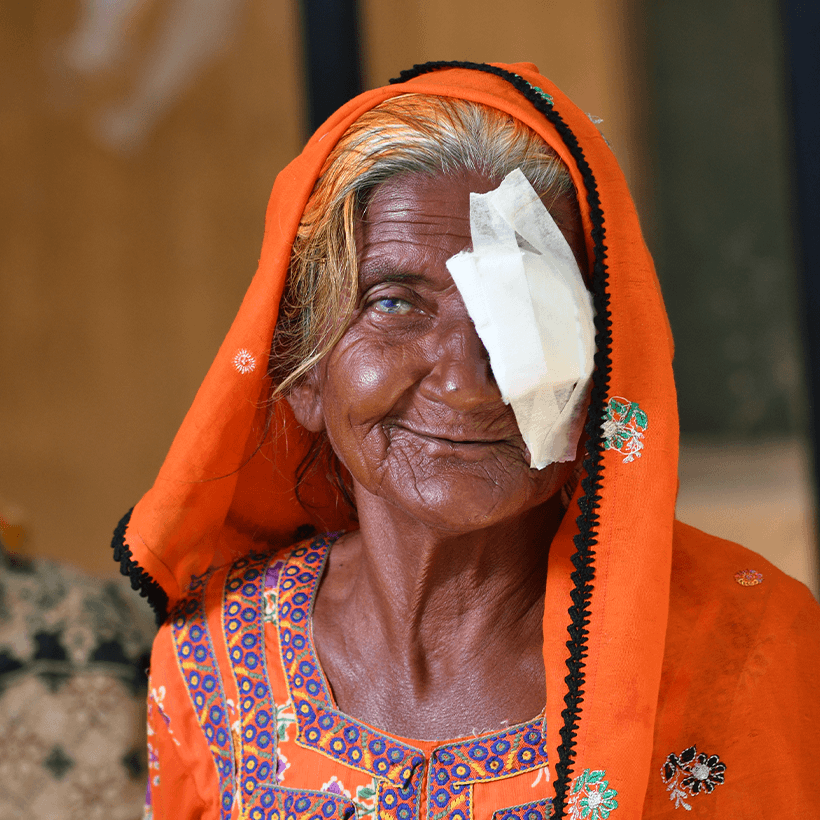
- All treatment at LRBT should be totally free for the poor so that no man, woman or child becomes blind just because he/she cannot afford the treatment.
- Treatment should be appropriate and state-of-the-art. Charity should not mean second-rate treatment.
- There should be no discrimination based on gender, religion, caste, ethnicity, language, or disability.
- Patients should be treated with compassion and dignity.