When a mother thrives, she doesn’t just change her life; she changes the future.
When women are empowered through education and financial independence, they don’t rise alone. In this article, we discuss how mothers create a ripple effect of change: strengthening their households, breaking the cycle of poverty, uplifting their children, and fueling the growth of entire communities.
The Power of a Mother’s Economic Agency -Breaking the Cycle of Poverty
Studies show that women reinvest up to 90% of their income back into their families, compared to just 30–40% by men.
Empowering women doesn’t just uplift one life; it transforms generations. Even though mothers reinvest a significant portion of their income into their families, they’re still the most affected by poverty.
Moreover, households with women earning a livelihood diversify income sources, reduce risk, and build resilience.
Yet in Pakistan, only 22% of the labor force is female, and many women still lack access to even the most basic financial services.
But when given the tools, like access to finance, markets, and mentorship, women can pull entire families out of poverty, unlocking generational stability and progress.
One such story of transformation is Mehrbhari Baji.
The Mother Who Stitched Her Way To Financial Independence.
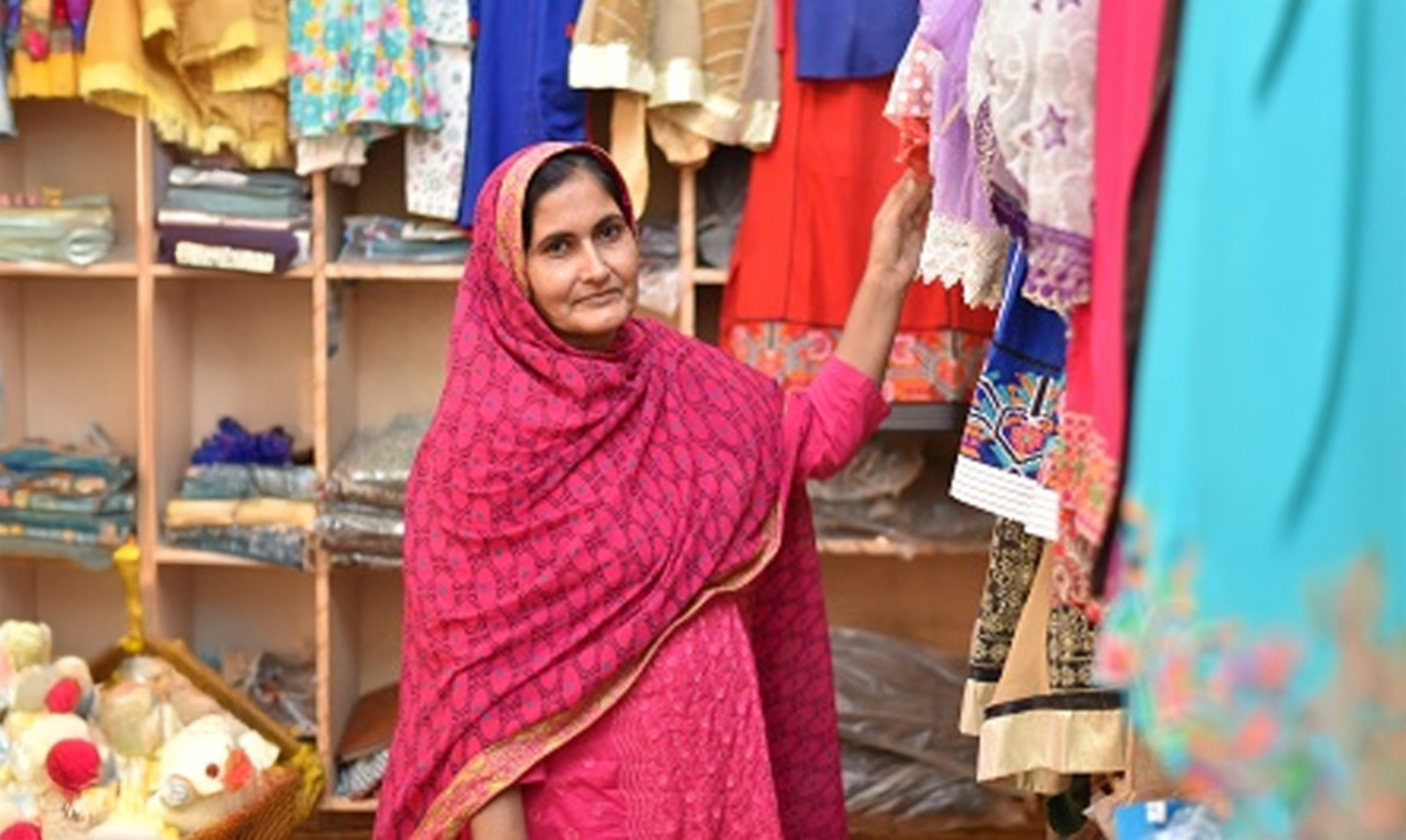
Mehrbhari Baji
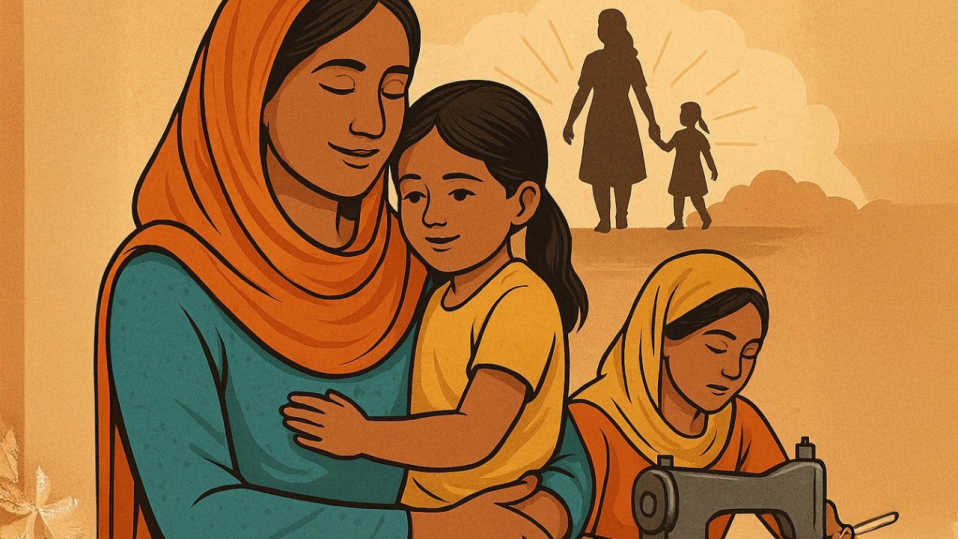
Widowed and pregnant in Khairpur, Sindh, Mehrbhari Baji had no formal education, only a fading skill in ralli quilting. With no income or market access, survival was a daily battle.
Through Kashf Foundation, an i-Care partner, she received a microloan, training, and mentorship, transforming her craft into a livelihood.
But Kashf is trying to change this statistic in Pakistan by empowering women like Mehrbhari to earn, support their families, and preserve their heritage while escaping poverty.
The Ripple Effect: Empowered Mothers, Educated Children
It is known that maternal empowerment directly impacts children’s education. For instance, children are, on average, 29.4% more likely to be enrolled in school if their mother has graduate-level education.
Overcoming Barriers: Laying the Groundwork for Change
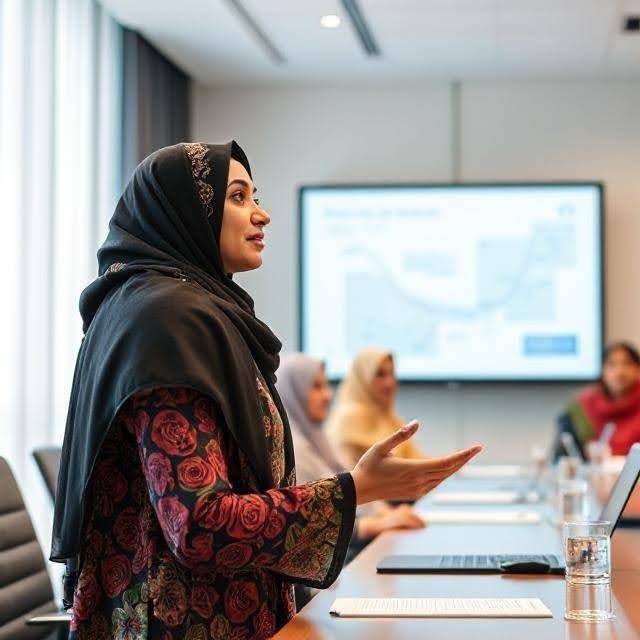
Despite the difference that the economic empowerment of women and mothers makes to families, women all over the world face barriers that include rigid norms, weak protections, and no support for basics like childcare or transport.
But change starts small: one woman, one skill, one opportunity.
What’s Next?
Building a Future Where Women Lead
Empowering mothers fuels generational change.
To make it real, we must:
- Educate every girl
- Expand economic access
- Protect women’s rights at work and beyond.
Empowering women is not just a moral imperative—it’s an economic strategy for progress.
Empowering One, Uplifting Many
“Give me an educated mother, and I shall promise you the birth of a civilized, educated nation.” – Napoleon Bonaparte
When a mother thrives, her children flourish. When she earns, she invests in futures. When she leads, communities strengthen. Her empowerment is not charity; it’s a catalyst for collective prosperity.
Because when a mother rises, a nation doesn’t just stand—it soars.