“There is no keener revelation of a society’s soul than the way in which it treats its children.” — Nelson Mandela
Remember the time when you were very young, probably six or seven, when you had a blazing fever that wouldn’t go away? Remember the worried look on your mother’s face, how your father couldn’t stop pacing the room, and the care they lavished on you – warm soup, massages, hugs, cuddles, and kisses.
Now imagine yourself at that age, with no one to take care of you. Passersby giving you a side glance, or ignoring you completely, and you, writhing in agony on the cold, rodent-infested pavement.
How heartbreaking would it be? But it is the harsh reality for many children, abandoned by their families or orphaned with no one to care for them. Sadly, for these children, this hard, cold world is the only one they know.
But to be human is to be compassionate, and while organizations and individuals are trying to care for them, there are many children left to their own devices, succumbing to cruelty, ignorance, and malnutrition.
Take a look at these facts that are the dark underbelly of our world today:
Begging
Many orphaned children are forced onto the streets, where they become vulnerable to trafficking rings, coerced begging, and exploitative labor. Children living on the streets face a high risk of sexual exploitation, with over 90% in danger. These children are not just overlooked; they are actively endangered
Denied Education and Legal Identity
Without proper documentation, many orphaned children are excluded from education and healthcare. In Pakistan, only 42.2% of children under five are registered at birth, leaving orphans particularly vulnerable.
Malnutrition and Poor Health
Orphanages often lack the resources to provide balanced nutrition. In Punjab, home to a majority of Pakistanis 36.1% of children in orphanages are malnourished, with girls disproportionately affected. Issues range from stunting and underweight status to vitamin and mineral deficiencies.
Social Rejection and Stigma
Orphaned children face discrimination, often viewed as charity cases rather than individuals with dignity. This deepens their sense of deprivation and limits their future opportunities. The lack of a supportive environment deprives these children of not just shelter, but also their identity and future.
Why the First Step Matters: Facing the Emotional Toll
Fortunately, some children escape the agony, finding saviours in the form of shelter homes, and credible orphanages. They often carry deep trauma from losing their parents through death or abandonment, leading to difficulties in trusting others.
The unfamiliar environment of an orphanage can feel cold and structured, replacing the chaos they once experienced. Some children may withdraw, while others may lash out in response to their feelings. They often struggle with depression, flashbacks, and nightmares. Caregivers face unique challenges with each child’s mix of pain and potential. Behavioral problems occur in 33% of children, while 20.9% of institutionalized children show symptoms of Post Traumatic Stress Disorder (PTSD) and anxiety.
Yet, amidst the pain, there is potential for healing.
From Despair to Dignity: When Care Replaces Chaos
Restoration begins with safety, structure, and a steady presence.
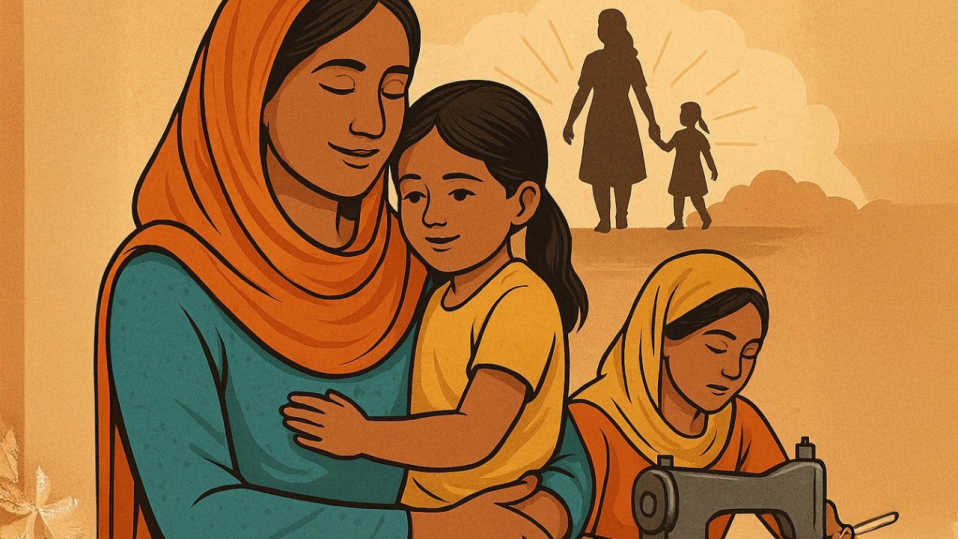
“Take Maryam, for example. She arrived at a shelter as a three-year-old street beggar, withdrawn, anxious, and overwhelmed. Years of consistent care transformed her life. Now, she holds a degree in Psychology and inspires others with the resilience she once struggled to find. ” – Roshni Homes Trust
“Then there’s Ahmed. Orphaned at ten and rejected by his extended family, he was emotionally shattered. It took time for him to adapt, but with support, he thrived. He earned a nursing diploma and eventually returned to the shelter home to give back. Stories like his are not exceptions; they prove that care changes everything.” – Basera
What It Takes to Heal a Child
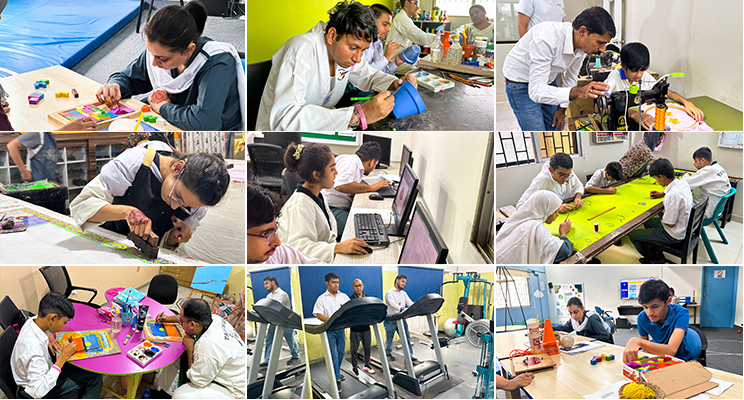
Caregivers do more than supervise; they nurture. They bring stability to once chaotic situations, offer therapy where there was silence, and instill confidence where there was fear.
But the journey can be difficult.
Language barriers, academic gaps, trauma-informed behaviors, and limited funding can make each day unpredictable. Some children struggle to adapt to discipline and structure, while others need assistance in expressing their feelings through play, storytelling, or creative activities.
The greatest challenge? Being patient enough to earn their trust and persistent enough to keep showing up.
The support from these homes offers so much more than just a roof over their heads. They provide:
– Access to education and healthcare
– Counseling and psychological support to help heal emotional wounds
– Nutritious meals and safe sleeping spaces to foster well-being
– Compassionate, trained staff who understand trauma
This kind of support doesn’t merely change lives; it saves them. It shows that even in the most challenging circumstances, we can restore dignity and hope to those who need it most.
From Charity to Belonging: A New Vision for Orphanhood
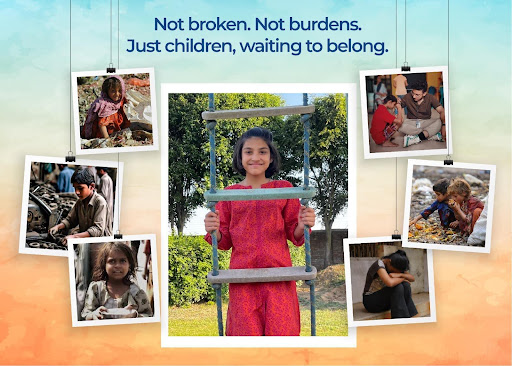
Children in orphanages are not broken or burdens; they are filled with promise, potential, and personality. They deserve not only food and shelter but also the belief that they truly belong.
The future of these children depends not on sympathy alone, but on action, consistency, and compassion. Every child deserves to be seen, loved, and recognized by name. At the i-Care Foundation, we stand with organizations that transform shelters into sanctuaries, because every child deserves more than just a bed. They deserve a new beginning.
#EveryChildMatters #FromSilenceToBelonging #iCareFoundation #HopeRestored #DignityNotCharity